
Siouxsie And The Banshees Biography:
Siouxsie and the Banshees formed in London in 1976, emerging from the chaotic energy of the UK punk movement but quickly transcending its limitations. Fronted by Siouxsie Sioux, whose commanding presence and distinctive voice became the band’s signature, the group began as a spontaneous act during the early punk explosion before evolving into one of the most innovative and influential forces in post‑punk and alternative music. With guitarist Steven Severin as her creative counterpart, the band built a sound that was sharp, atmospheric, and emotionally charged, a striking contrast to the raw simplicity of their punk origins.
Throughout the late 1970s and 1980s, Siouxsie and the Banshees continually reinvented themselves. Their early work carried the tension and minimalism of post‑punk, but as their artistry matured, they embraced richer textures, unconventional arrangements, and haunting melodies. The band’s use of dissonant guitar tones, tribal percussion, and cinematic production created a sonic world that was both beautiful and unsettling. Albums like Juju, Peepshow, and Kaleidoscope showcased their ability to merge darkness with elegance, influencing countless artists across alternative, gothic, and experimental genres.
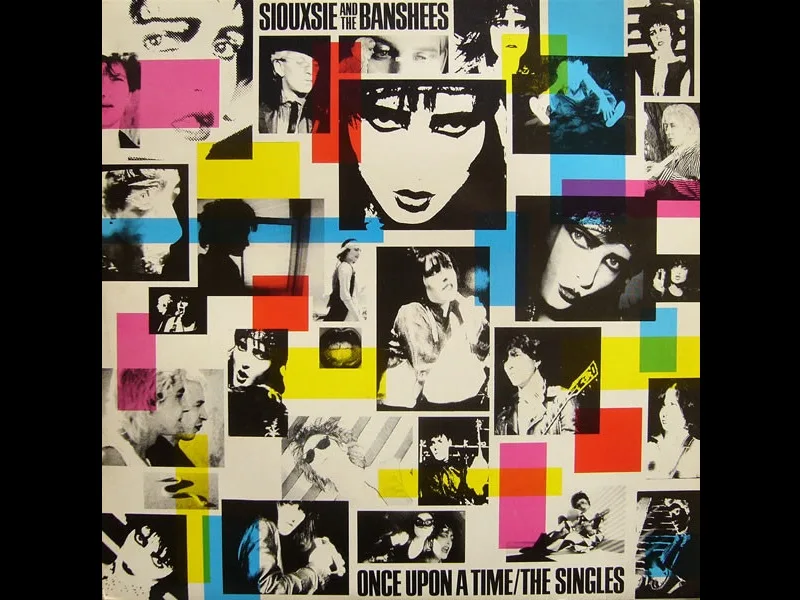
Siouxsie’s presence was central to the band’s identity. Her visual style — bold, theatrical, and unapologetically individual — became a defining image of underground music in the 1980s. She embodied strength and mystery, challenging gender norms and reshaping what a frontwoman could represent in rock. The band’s aesthetic, from their artwork to their stage performances, reflected a fascination with mood, symbolism, and emotional depth, setting them apart from their contemporaries.
Why Siouxsie and the Banshees Matter in the Goth Scene
Siouxsie and the Banshees are often regarded as one of the foundational pillars of gothic music and culture. While they never confined themselves to a single label, their influence on the goth scene is undeniable. Their sound — brooding yet melodic, experimental yet accessible, helped define the emotional and visual language that goth would adopt and expand upon. Siouxsie’s haunting vocals, paired with the band’s atmospheric instrumentation, created a sense of drama and introspection that resonated deeply with audiences drawn to darker aesthetics.
Beyond the music, the band’s visual identity shaped the look and attitude of goth culture. Siouxsie’s striking makeup, monochrome fashion, and commanding stage presence became iconic symbols of individuality and artistic rebellion. She represented empowerment within darkness, a figure who embraced vulnerability and strength in equal measure. For many, Siouxsie and the Banshees provided the blueprint for how gothic art could merge beauty, melancholy, and defiance into something timeless.
Their legacy continues to echo through generations of artists, from post‑punk revivalists to modern darkwave and alternative acts. Siouxsie and the Banshees didn’t just influence goth music — they helped define its emotional core, proving that darkness could be both expressive and transcendent.