
Toto emerged from Los Angeles in the late 1970s as a powerhouse collective of seasoned studio musicians who stepped out from behind the scenes to create their own brand of polished, genre‑blending rock. Built on exceptional technical skill and a shared history performing on countless major recordings, the band quickly earned a reputation for crafting songs with rich arrangements, smooth harmonies, and radio‑ready hooks.
Toto Biography:
Toto began in Los Angeles in 1977, formed by a group of musicians whose reputations were already well‑established in the studio world. Keyboardist David Paich and drummer Jeff Porcaro, longtime collaborators on major recording sessions, pulled together a lineup of players who had spent years shaping the sound of other artists behind the scenes. They were joined by bassist David Hungate, guitarist Steve Lukather, keyboardist Steve Porcaro, and vocalist Bobby Kimball, creating a band built on technical skill, versatility, and a shared history in high‑level studio work.
Their self‑titled debut in 1978 introduced a polished blend of rock, pop, and soul, driven by the breakout single “Hold the Line,” which pushed the band into mainstream visibility. While their early albums showcased their musicianship, it was Toto IV in 1982 that transformed them into global stars. The record delivered massive hits like “Rosanna” and “Africa,” earning multiple Grammy Awards and cementing their place among the most successful rock acts of the era.
As their popularity grew, the band experienced several lineup changes. Hungate departed before the Toto IV tour, replaced by Mike Porcaro, while Kimball’s exit led to a rotating cast of vocalists including Fergie Frederiksen and Joseph Williams. Despite these shifts, Toto continued releasing albums that blended rock, pop, and jazz‑fusion influences, maintaining strong international followings even as U.S. radio trends shifted.
The 1990s brought both creative evolution and tragedy. Jeff Porcaro’s death in 1992 marked a major turning point, with Simon Phillips stepping in as drummer.
The band pressed forward, releasing new material and touring extensively, supported by a mix of longtime members and additional musicians who helped fill out their increasingly complex live arrangements.
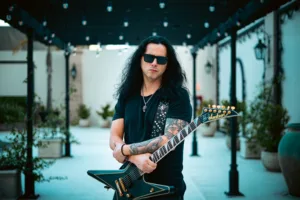
Through the 2000s and 2010s, Toto remained active, releasing new albums, revisiting archival material, and continuing to tour worldwide. Their lineup evolved again, with Lukather becoming the group’s primary anchor on stage while Paich shifted into a more limited role due to health concerns.
Even with these changes, the band’s identity stayed rooted in the musicianship and songwriting that defined their earliest years.
Across more than four decades, Toto built a legacy that stretches far beyond their biggest hits. They became known not only for their chart‑topping singles but also for their contributions as session musicians, shaping countless recordings across rock, pop, and R&B. With over 50 million records sold and a catalog that spans fourteen studio albums, Toto remains one of the most enduring and respected bands to emerge from the late‑1970s rock landscape.