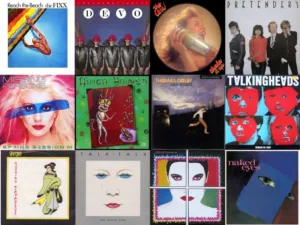

Over 100 New Wave Bands Of The 80s That You Should Hear…
New wave rock music burst onto the scene in the late 1970s as a stylish rebellion against both the raw aggression of punk and the excess of arena rock. It was sleek, modern, and unapologetically experimental, a new wave of sounds and styles, a movement that fused attitude with technology. Where punk had torn down the walls, new wave built something futuristic in their place, often combining sharp guitar riffs with synthesizers, angular rhythms, and a sense of irony that mirrored the cultural shift of the time.
The genre thrived on contrast: emotional yet detached, edgy yet danceable. Artists embraced the possibilities of the studio, using electronic textures and unconventional production to create music that felt alive with motion. It was rock music reimagined for the age of MTV and urban nightlife.
Bands like Talking Heads, Blondie, The Cars, and The Police helped define the movement’s early shape, each bringing their own twist, from art‑school intellect to pop accessibility. British acts such as Duran Duran, The Cure, and Depeche Mode expanded the palette further, turning new wave into a global phenomenon that blurred the lines between rock, pop, and electronic music. The fashion was just as bold: skinny ties, bright jackets, and futuristic styling that made musicians look like they’d stepped out of a sci‑fi film.
By the mid‑to late 1980s, new wave had evolved into a broader spectrum of sounds — from synth‑pop’s glossy melodies to post‑punk’s darker introspection. It reflected a generation fascinated by technology, individuality, and reinvention. Even as the term “new wave” faded from use, its influence lingered, shaping everything from alternative rock to modern indie and electronic scenes.
More than a genre, new wave was a mindset, a declaration that rock could be smart, stylish, and endlessly adaptable. It captured the pulse of a world speeding toward the future, where art and attitude collided under the glow of fluorescent light.
 A-ha
A-ha
A-ha infused the New Wave scene with a sophisticated, emotional appeal through their rich synth textures and soaring vocals. Their 1985 hit single “Take On Me,” bolstered by its groundbreaking animated video, became one of the defining tracks of the decade. Blending cinematic melodies with a cool Scandinavian vibe, A-ha proved that synth-pop can be both expressively deep and widely relatable.
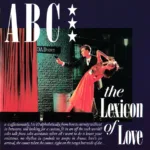 ABC
ABC
Originating from Sheffield, England, ABC is celebrated for their polished pop sound and chic image. Their debut album, “Lexicon of Love,” included hits like “The Look of Love,” highlighting their blend of synth-pop and romantic lyrics. ABC’s music is distinguished by lush arrangements and insightful lyrics, establishing them as key figures in the New Wave movement. They continue to perform and inspire newer generations of artists.
 Adam And The Ants
Adam and the Ants were instrumental in merging post-punk attitude with flamboyant New Wave theatrics. With tribal drumming, glam-inspired attire, and the dynamic presence of frontman Adam Ant, they created a distinct visual and sonic style in early ’80s British pop. Their hits like “Stand and Deliver” and “Prince Charming” were pivotal in shaping the early MTV era, combining punk spirit with pop accessibility and influencing the “New Romantic” fashion trend in music.
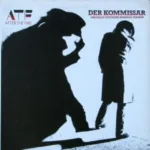 After The Fire
Starting as a progressive rock band, After The Fire transitioned to a vibrant, synth-driven New Wave sound in the late ’70s. Their cover of Falco’s “Der Kommissar” became an unexpected U.S. hit in 1982, showcasing their ability to merge European influences with the rhythmic sensibilities of early MTV-era New Wave.
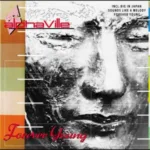 Alphaville
Alphaville secured a unique position within the synth-pop landscape with their emotive, melancholic anthems, particularly exemplified by tracks like “Forever Young” and “Big in Japan.” Their music resonated with the Cold War-era anxiety and youthful yearning characteristic of 1980s European New Wave, earning them a dedicated fanbase beyond Germany.
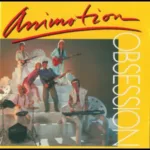 Animotion
Animotion left a lasting impact with their 1984 hit “Obsession,” a dramatic synth-driven duet known for its polished production. Their combination of alluring vocals and dance-ready beats made them emblematic of the glamorous side of American New Wave, often blending elements of synth-pop and new romantic styles.
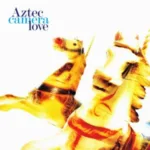 Aztec Camera
Fronted by Roddy Frame, Aztec Camera distinguished themselves by merging jangly guitars with contemplative lyrics and a pop sensibility that set them apart from more synth-oriented New Wave acts. Tracks like “Somewhere in My Heart” embodied a lyrical and melodic approach that connected the gaps between post-punk and the sophisti-pop genre within New Wave.
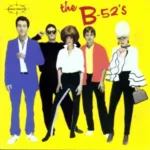 The B-52’s
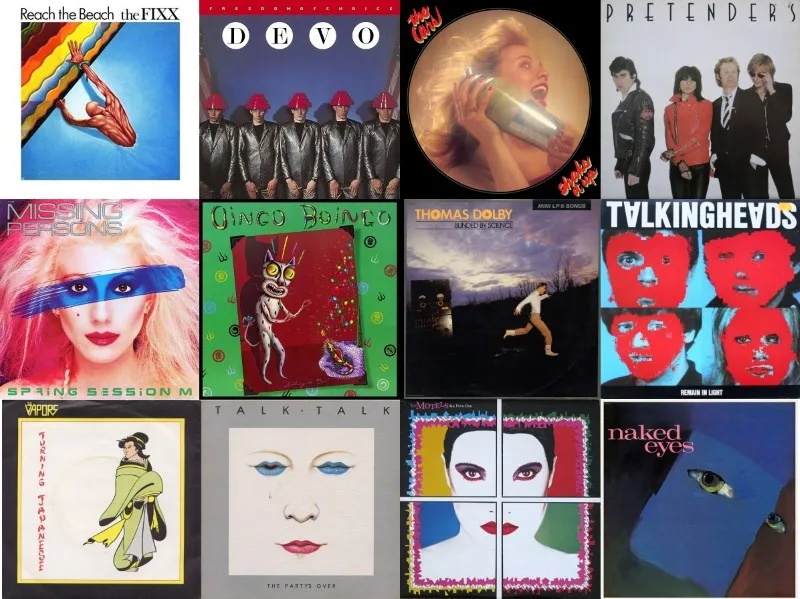
Emerging from Athens, Georgia in the late ’70s, The B-52’s fused rock, pop, and dance influences with a quirky, playful style. Known for iconic tracks like “Rock Lobster” and “Love Shack,” their music features catchy melodies and whimsical lyrics. Their vibrant performances and colorful fashion choices helped define the New Wave aesthetic, and they remain active, continuing to attract new fans.
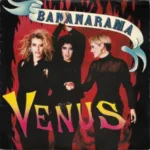 Bananarama
Bananarama introduced a distinct female perspective to the New Wave landscape, combining catchy pop melodies with a punk-influenced DIY ethos. Rising from London’s underground club scene, they achieved significant mainstream success with hits such as “Cruel Summer” and “Venus.” Their fusion of synth-pop and dance music bridged the New Wave movement with the burgeoning club culture of the mid-1980s, while their straightforward image provided a relatable alternative to more stylized female performers.
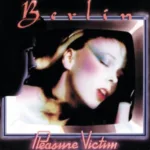 Berlin
Berlin distinguished themselves within the U.S. New Wave scene by blending synthesizer-driven soundscapes with sultry vocals and provocative lyrics. Their most well-known works, including “The Metro” and the unforgettable “Take My Breath Away” (featured in *Top Gun*), showcased the sleek, emotional side of New Wave. Frontwoman Terri Nunn’s magnetic presence, paired with the band’s sophisticated production, solidified their role in defining synth-pop and underscoring the cinematic allure of New Wave.
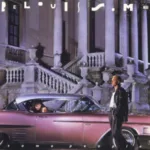 Belouis Some
Bringing a bold, slightly risqué energy to the New Wave scene, Belouis Some is best remembered for the provocative single “Imagination.” His androgynous image and lush, synth-heavy sound positioned him among the more theatrical, visually striking artists of the mid-’80s, merging accessible pop with an avant-garde flair.
 Big Country
While frequently associated with alternative rock, Big Country utilized bagpipe-style guitars and soaring melodies, granting them a unique position within the New Wave genre. Their song “In a Big Country” exemplified a blend of folk-rock authenticity and an epic, cinematic sound, aligning perfectly with the experimental spirit of the New Wave movement.
 Billy Idol
Billy Idol emerged as a punk rebel who transitioned into a New Wave star, characterized by his snarling vocals, leather-clad appeal, and infectious dance-rock tracks like “White Wedding” and “Dancing With Myself.” His knack for infusing punk attitude into polished, radio-friendly production helped shape the crossover appeal of New Wave in the U.S.
 Blondie
Blondie, led by the charismatic Debbie Harry, ranks among the most successful names of the New Wave era. Their eclectic sound combines influences from punk, pop, disco, and reggae, resulting in hits like “Heart of Glass.
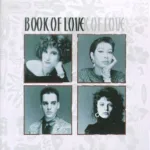 Book of Love
Book of Love introduced a chilly, minimal synth-pop vibe to the mid-80s music scene, frequently exploring themes of love, religion, and surrealism. Their subtle vocals paired with dance-friendly beats garnered them a devoted following, especially in LGBTQ+ club culture, reinforcing their role within the underground American New Wave movement.
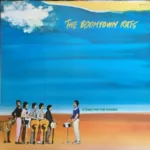 Boomtown Rats
Led by Bob Geldof, The Boomtown Rats combined punk energy with melodic aspirations, creating socially aware tracks such as “I Don’t Like Mondays.” While their roots were in punk, their use of keyboards and experimental arrangements aligned them with early New Wave’s ambition to evolve rock music into something sharper and more thought-provoking.
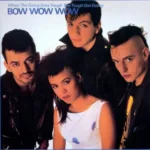 Bow Wow Wow
Bow Wow Wow merged punk vitality with tribal beats and a striking visual style, becoming a distinctive presence in the early ’80s New Wave landscape. Guided by Malcolm McLaren (formerly of the Sex Pistols), their catchy hit “I Want Candy” emerged as a New Wave classic. The band’s blend of worldbeat influences and pop melodies, coupled with the rebellious persona of teenage frontwoman Annabella Lwin, added an experimental flair and cultural intrigue to the genre.
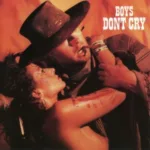 Boys Don’t Cry
Renowned for their chart-topping song “I Wanna Be a Cowboy,” Boys Don’t Cry mixed pop and New Wave styles to create their sound. The band’s infectious hooks and whimsical lyrics played a significant role in shaping the early ’80s musical landscape. Their music features lively rhythms and synthesizer-driven melodies, securing their place as a memorable act of the era. Boys Don’t Cry’s impact on the New Wave movement continues to resonate with audiences today.
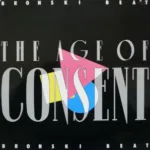 Bronski Beat
Jimmy Somerville became a defining voice of the 80s New Wave with his signature falsetto and courageous activism. As the lead of Bronski Beat and later The Communards, he blended danceable synth-pop with bold, queer narratives. Songs like “Smalltown Boy” transformed into emotionally charged, politically resonant anthems that challenged mainstream pop conventions.
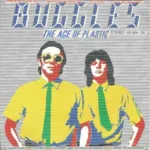 The Buggles
The Buggles are best known for their iconic song “Video Killed the Radio Star,” which not only epitomized synth-driven New Wave but also marked the very first music video aired on MTV. Their futuristic style and innovative studio techniques captured the genre’s fascination with media and technology, making them emblematic of New Wave’s connection with the digital age.
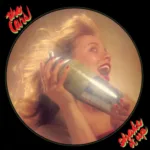 The Cars
Originating from Boston, The Cars became synonymous with the New Wave sound through their catchy tunes and synthesizer-infused tracks. Their self-titled debut album featured hits like “Just What I Needed” and “My Best Friend’s Girl,” showcasing their unique fusion of rock and pop. Known for their sleek, modern visuals and groundbreaking music videos, The Cars continue to inspire countless artists, leaving a lasting legacy.
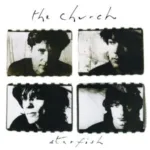 The Church
Hailing from Australia, The Church introduced a dreamier, more atmospheric facet to New Wave with their jangly guitars and reflective lyrics. Songs like “Under the Milky Way” combined post-punk gloom with sparkling pop elements, presenting a more psychedelic, ethereal interpretation of the genre that would later influence alternative music acts.
 Elvis Costello
Although not strictly a New Wave artist, Elvis Costello’s incisive songwriting and energetic style made him a pivotal figure in the genre’s formative years. His blending of punk intensity with articulate, emotionally rich lyrics—especially evident in albums like *This Year’s Model*—helped set the stage for the intellectual and stylistic richness that often characterizes New Wave.
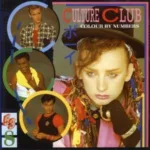 Culture Club
Fronted by the flamboyant Boy George, Culture Club emerged as one of the most successful bands of the New Wave period. With hits like “Do You Really Want to Hurt Me” and “Karma Chameleon,” they combined pop and reggae elements, distinguishing themselves in the music scene. The band’s eclectic style and bold fashion choices defined 80s aesthetics, and they continue to inspire new generations with their music.
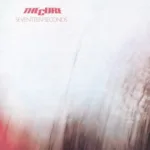 The Cure
Originating from the post-punk scene, The Cure is celebrated for their atmospheric sound and dark, emotive lyrics. Their music, encompassing elements of rock, pop, and new wave, produced beloved tracks like “Just Like Heaven” and “Boys Don’t Cry.” The band’s unique aesthetic and musical evolution have solidified their status as iconic figures in the music landscape, maintaining their ability to captivate audiences on tours and through new creations.
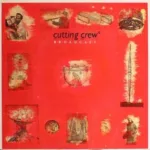 Cutting Crew
Best known for their power ballad “(I Just) Died in Your Arms,” Cutting Crew married polished production with emotive pop-rock, embodying the refined, radio-friendly vibe of late-era New Wave. Their sound balanced the realms of arena rock and synth-pop, aiding the genre’s transition into the more mainstream territory of late ’80s pop.
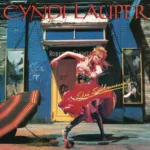 Cyndi Lauper
Cyndi Lauper’s quirky style and powerful voice established her as a defining presence in the American New Wave movement. Her 1983 debut album, *She’s So Unusual,* showcased a vibrant mix of synth-pop, new wave flair, and feminist themes, yielding hits like “Girls Just Want to Have Fun” and “Time After Time.” This cemented her status as both a fashion icon and a musical innovator.
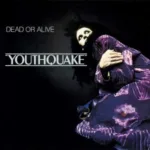 Dead Or Alive
Dead or Alive introduced high drama and androgynous flair to the New Wave and Hi-NRG dance music scenes. With the flamboyant Pete Burns at the helm, their iconic track “You Spin Me Round (Like a Record)” became synonymous with 1980s club culture. The band melded synth-pop with pulsating electronic beats, pushing New Wave deeper into dance territory and laying the groundwork for future performers who challenged gender norms and dance-pop artists.
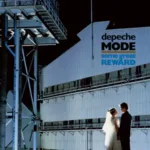 Depeche Mode
Emerging from Basildon, England, Depeche Mode established themselves as one of the quintessential synth-pop bands of the 1980s. Their sound is characterized by dark, atmospheric lyrics and pioneering electronic instrumentation, resulting in hits like “Enjoy the Silence” and “Personal Jesus.” Their innovative fusion of pop and experimental music distinguished them in the era, garnering a devoted fan following. Depeche Mode continues to evolve and tour, maintaining a significant presence in contemporary music.
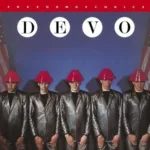 Devo
Devo
Devo were trailblazers of American New Wave, infusing their music with a satirical, conceptual approach that critiqued conformity and consumer culture. Known for their robot-like movements and matching outfits, coupled with an eccentric use of synthesizers, they became icons of postmodern pop. Their 1980 hit “Whip It” brought their distinctive sound to a broader audience, influencing both the aesthetic and sonic landscape of New Wave through a unique blend of art-rock, punk, and electronic experimentation.
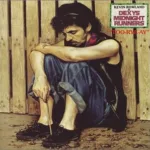 Dexys Midnight Runners
Combining soul, Celtic folk, and post-punk energy, Dexys Midnight Runners crafted a style that defied categorization. Their massive hit “Come On Eileen” was as much about breaking musical conventions as it was about infectious pop melodies. Their raw energy and emotional depth made them a standout presence in the New Wave scene.
 Divinyls
Fronted by the magnetic Chrissy Amphlett, Australian band Divinyls injected a gritty, sensual edge into the New Wave genre. Their blend of a punk spirit and catchy melodies—especially in later hits like “I Touch Myself”—presented a provocative contrast to the more polished sounds dominating mainstream synth-pop, showcasing the genre’s depth and rebellious nature.
 Dream Academy
Dream Academy offered a softer, orchestral take on New Wave, highlighted by their lush single “Life in a Northern Town.” Their music, layered with acoustic elements and imbued with a sense of melancholy, provided a reflective alternative to the often frenetic energy of 1980s pop, bridging the gap between New Wave and baroque pop.
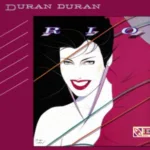 Duran Duran
Originating from Birmingham, England, Duran Duran became known for their stylish image and catchy melodies in the early ’80s. Their fusion of pop, rock, and New Wave resulted in anthems like “Hungry Like the Wolf” and “Rio.” The band’s innovative music videos were pivotal in shaping the MTV era, contributing significantly to their global popularity. Duran Duran remains active, consistently releasing new music and touring internationally.
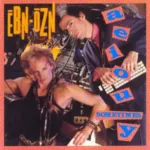 EBN OZN
Known for their inventive use of digital sampling and voice synthesis, EBN-OZN made waves with their 1983 single “AEIOU Sometimes Y.” As one of the first American bands to embrace the Fairlight CMI synthesizer, they embodied the experimental spirit of New Wave, merging performance art with synthetic funk and a dose of avant-garde humor.
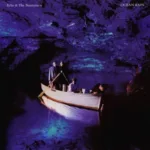 Echo & the Bunnymen
Hailing from Liverpool, Echo & the Bunnymen are celebrated for their atmospheric sound and poetic lyrics. Their music intertwines post-punk and New Wave elements, with memorable tracks like “The Killing Moon” and “Lips Like Sugar” highlighting their unique style. The band’s introspective lyrics and rich instrumentation have garnered them a loyal fan base. They continue to create new music and tour, solidifying their legacy in music history.
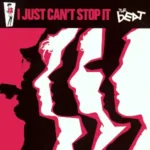 English Beat
Fusing ska, punk, and pop, the English Beat (known simply as “The Beat” in the UK) played a crucial role in introducing multicultural rhythms to the New Wave genre. With politically charged lyrics and infectious dance beats, songs like “Mirror in the Bathroom” and “Save It for Later” exemplified the genre’s diversity and social consciousness.
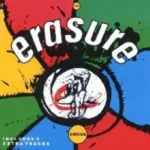 Erasure
Formed by the synth-pop genius Vince Clarke (formerly of Depeche Mode and Yazoo) and vocalist Andy Bell, Erasure played a key role in refining the melodic and emotionally rich aspects of New Wave. Their infectious tracks like “A Little Respect” and “Chains of Love” illustrated the genre’s evolution into pure synth-pop. They also stood out for their open celebration of LGBTQ identity, adding a bold, human voice to the digital landscape of New Wave.
 Eurythmics
Fronted by the dynamic pairing of Annie Lennox and Dave Stewart, Eurythmics introduced a theatrical and emotionally charged sound to New Wave through their mix of icy synths and soulful vocals. Their landmark hit “Sweet Dreams (Are Made of This)” became a defining moment in synth-pop history, while Lennox’s androgynous style challenged traditional gender norms, positioning the band as a progressive force in 1980s pop.
 The Fixx
The Fixx is celebrated for their blend of melodic rock and thoughtful lyrics, rising to fame in the ’80s with popular tracks like “One Thing Leads to Another.” Their sound merges rock and new wave elements, marked by catchy hooks and atmospheric instrumentation. The band’s introspective songwriting approach distinguishes them within the New Wave genre, and they remain active today, touring and producing new music.
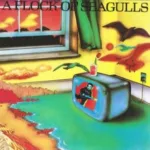 A Flock of Seagulls
Emerging from Liverpool in the early ’80s, A Flock of Seagulls is known for their unique sound and notable hairstyles. Their music features synthesizers and memorable melodies, highlighted by hits such as “I Ran (So Far Away).” With their futuristic aesthetic and innovative approach, they played a significant role in the New Wave movement and continue to be celebrated as iconic figures from the ’80s music scene.
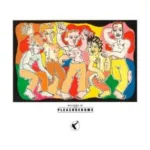 Frankie Goes To Hollywood
Frankie Goes to Hollywood became synonymous with the excesses of ’80s New Wave through their provocative imagery and bold production. Chart-topping tracks like “Relax” and “Two Tribes” showcased their ability to push musical and visual boundaries, ultimately making them symbols of rebellion and hedonism in a genre known for its flamboyance.
 Fun Boy Three
Formed by former members of The Specials, Fun Boy Three brought a minimalistic and percussive edge to New Wave, often layered with political commentary. Their collaborations with Bananarama and standout hits like “The Lunatics (Have Taken Over the Asylum)” served as catchy yet critical reflections of their post-punk surroundings.
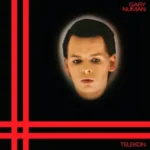 Gary Numan
A trailblazer in electronic music, Gary Numan was instrumental in shaping the cold, futuristic sound of early New Wave with iconic songs like “Cars” and “Are ‘Friends’ Electric?” His robotic persona and stark synth landscapes significantly influenced the synth-pop genre, paving the way for numerous artists throughout the ’80s and beyond.
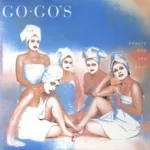 The Go-Go’s
The Go-Go’s carved out a space as one of the first all-female bands to write and perform their own music, successfully merging punk and pop elements. Their debut album, “Beauty and the Beat,” produced hits like “Our Lips Are Sealed” and “We Got the Beat,” showcasing their infectious melodies and energetic vibe. With a vibrant image and enthusiastic sound, they became a defining force in ’80s music and continue to celebrate their pioneering legacy through performances.
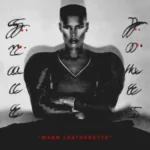 Grace Jones
Grace Jones is a chameleon of genres, seamlessly blending New Wave, reggae, funk, and art-pop into an avant-garde performance style. Her striking androgynous image, combined with powerhouse tracks like “Pull Up to the Bumper” and “Slave to the Rhythm,” solidified her status as an icon of ’80s music and fashion, elevating New Wave into the realm of high art.
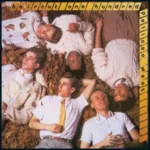 Haircut 100
Haircut 100 injected a lively and cheerful energy into the New Wave scene, merging funky guitar riffs with elements of jazz and pop. Their 1982 album *Pelican West* and the hit single “Love Plus One” highlighted a vibrant, optimistic sound that contrasted with the often ironic or somber themes of the genre. With their stylish image and refreshing approach, they became staples of the early MTV era, showcasing the diverse styles within New Wave.
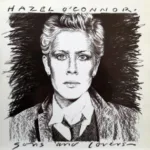 Hazel O’Connor
Hazel O’Connor carved out a unique space in the UK New Wave with her theatrical voice and punk-inspired lyrics. Rising to fame with her role in the film *Breaking Glass*, she blended drama and synth-infused protest music, delivering poignant social commentary through her emotive performances and rich soundscapes.
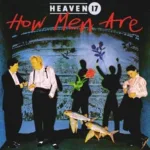 Heaven 17
Emerging from the break-up of The Human League’s original lineup, Heaven 17 became known for their sharp political lyrics wrapped in polished synth-pop. Tracks like “Temptation” and “(We Don’t Need This) Fascist Groove Thang” combined infectious rhythms with insightful social critique. They played a significant role in shaping the Sheffield electronic music scene, proving that New Wave could be both thought-provoking and perfect for the dance floor.
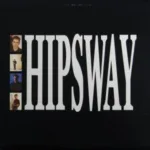 Hipsway
The Scottish band Hipsway blended polished production, soulful vocals, and atmospheric soundscapes to develop a sophisticated and catchy brand of pop music, resonating with fans of the genre. Their breakout hit “The Honeythief” exemplified their alluring style and positioned them among the more elegant and groove-driven acts in New Wave.
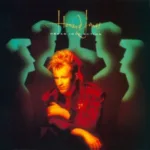 Howard Jones
Howard Jones emerged as one of the most recognizable solo artists in New Wave, known for his uplifting lyrics and masterful use of synthesizers. Songs like “New Song” and “Things Can Only Get Better” offered a blend of philosophical themes and pop appeal, making him a symbol of the era’s hopeful spirit. His live performances, which incorporated early sampling technology, were groundbreaking and contributed to making synth-pop a mainstream phenomenon.
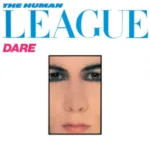 The Human League
As pioneers of synth-pop, The Human League rose to prominence in the early ’80s with their infectious melodies and electronic sound. Their iconic track “Don’t You Want Me” became a decade-defining anthem, showcasing their innovative fusion of pop and electronic music. The band’s creative use of synthesizers and technology played a crucial role in shaping the New Wave genre, and they continue to influence new generations of artists with their timeless sound.
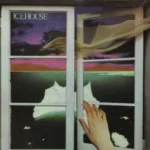 Icehouse
Originally known as Flowers, Icehouse made a significant impact on the global New Wave movement with their cool, polished sound emerging from Australia. Their standout tracks, such as “Hey Little Girl” and “Electric Blue,” exemplified a seamless blend of synth-pop and rock. This mix balanced melancholic undertones with pop appeal, earning them widespread acclaim.
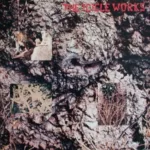 Icicle Works
Icicle Works combined post-punk guitar elements with melodic pop and introspective lyrics, crafting an immersive atmosphere in their music. Their most recognized single, “Whisper to a Scream (Birds Fly),” highlighted the emotional depth and expansive soundscapes that New Wave could achieve, often without heavy reliance on synthesizers.
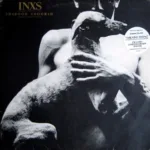 INXS
INXS
Hailing from Australia, INXS captured the essence of rock, funk, and New Wave, achieving immense success in the ’80s. With an energetic sound and the magnetic presence of frontman Michael Hutchence, hits like “Need You Tonight” and “New Sensation” showcased their infectious grooves and memorable choruses, solidifying their status as key figures of the era. Their influence on rock music endures, with lasting admiration for their contributions.
 The Jam
Emerging from the UK punk scene, The Jam artfully fused punk rock with New Wave, creating a signature sound. Known for spirited performances and incisive lyrics, songs like “Town Called Malice” and “Going Underground” highlighted their musical prowess. Their impact on the mod revival and British rock is significant, and their legacy continues to inspire new generations of musicians.
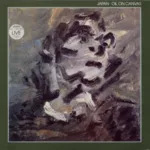 Japan
Japan
With a distinctive avant-garde style and atmospheric synth sound, Japan was one of the most innovative and artistic acts in the New Wave genre. David Sylvian’s haunting vocals paired with the band’s minimalist arrangements played a crucial role in shaping the New Romantic movement, influencing both the sonic and visual aspects of early-80s alternative music.
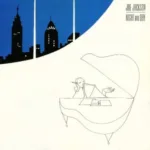 Joe Jackson
Joe Jackson was a versatile artist whose early work traversed genres such as punk, ska, and New Wave, characterized by his clever lyrics and strong musicianship. Tracks like “Is She Really Going Out with Him?” and “Steppin’ Out” showcased his growth from edgy songwriter to sophisticated pop artist, helping to define the more intellectual side of the New Wave genre.
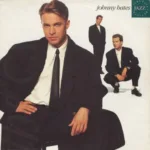 Johnny Hates Jazz
With a smooth, adult-oriented pop sound, Johnny Hates Jazz contributed to the latter stage of the New Wave movement. Their hit “Shattered Dreams” from 1987 epitomized the genre’s evolution towards polished radio pop. Although their time in the spotlight was brief, their combination of sleek production, synth elements, and emotionally charged lyrics linked New Wave with late-’80s sophisticated pop.
 Kajagoogoo
Best remembered for their hit “Too Shy,” Kajagoogoo emerged from the UK music scene in the early ’80s. Their sound, marked by catchy synth melodies and memorable hooks, captured the spirit of the New Wave movement. The band’s stylish image and dynamic performances helped set them apart during the era, and they continue to celebrate their contribution to the genre today.
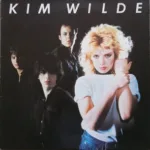 Kim Wilde
Emerging as one of the first prominent female figures of the New Wave era, Kim Wilde blended rock energy with synth-pop flair. Her debut single “Kids in America” became an anthem for disaffected youth, establishing her impact in both the UK and international pop landscapes. With her striking persona and powerful vocals, Wilde played a key role in making New Wave accessible to a broader audience while retaining her edge.
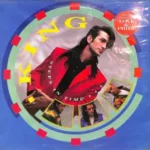 King
King
Known for their hit “Love & Pride,” King introduced a vibrant and romantic spirit to mid-80s British New Wave. Their glam-inspired fashion paired with synth-heavy sound celebrated the theatrical essence of the genre, appealing equally to fans who appreciated style and substance.
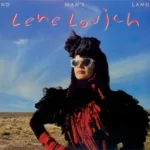 Lene Lovich
Lene Lovich represented the quirky and avant-garde essence of New Wave with her unique vocal style and theatrical stage presence. Her breakout single, “Lucky Number,” combined punk energy with operatic elements, significantly influencing the genre’s early identity as a platform for artistic experimentation and bold gender expressions.
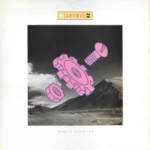 Level 42
Level 42 brought a sophisticated jazz-funk elegance to New Wave, driven by Mark King’s signature slap bass technique and smooth vocals. Tracks like “Something About You” fused polished production with tight musicality, establishing them as one of the most musically accomplished groups to merge New Wave, pop, and soul.
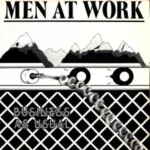 Men at Work
This Australian band is celebrated for their catchy melodies and distinct sound, which melds rock, reggae, and pop influences. Their iconic hit “Down Under” became a cultural anthem, celebrating Australia and earning them global recognition. Men at Work’s clever lyricism and memorable tunes solidified their legacy in the early ’80s New Wave scene.
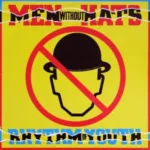 Men Without Hats
Men Without Hats added to New Wave’s unique and ironic charm with their global hit “The Safety Dance.” Originating in Canada, they employed catchy synth melodies and satirical lyrics to critique conformity and social norms. Their playful approach and danceable synth sounds became emblematic of the genre’s quirky side, making them an iconic one-hit wonder of the era.
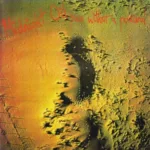 Midnight Oil
Known for their politically charged lyrics and dynamic performances, this Australian rock band gained fame in the ’80s with songs like “Beds Are Burning.” Their music blends rock with New Wave influences, creating anthemic and powerful sounds. Midnight Oil is recognized for their dedication to social and environmental issues, which resonates through their music, inspiring new generations as they continue to tour and advocate for change.
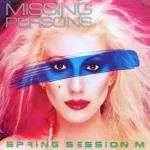 Missing Persons
Combining New Wave with a distinct West Coast vibe, Missing Persons showcased a futuristic style paired with high-pitched art-pop vocals by Dale Bozzio. Hits such as “Words” and “Destination Unknown” feature angular guitar riffs and synth-driven arrangements. Emerging from Frank Zappa’s band, their technical prowess and avant-garde image made them standouts in the Los Angeles New Wave scene.
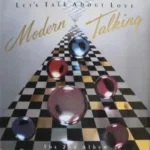 Modern Talking
The German duo Modern Talking introduced a shiny Euro-disco flair to the New Wave movement, achieving massive international success with hits like “You’re My Heart, You’re My Soul.” Their sleek, synth-heavy sound and romantic lyrics made them immensely popular in Europe, exemplifying synth-pop’s expansive appeal.
 The Motels
Fronted by the captivating vocals of Martha Davis, The Motels offered a darker, more cinematic perspective on New Wave, characterized by emotional depth and polished radio-friendly tunes. Songs like “Only the Lonely” and “Suddenly Last Summer” evoke themes of longing and vulnerability, establishing their presence in the American wave of melancholic pop-rock.
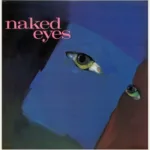 Naked Eyes
Naked Eyes became prominent figures in the synth-pop segment of British New Wave with melodies like “Always Something There to Remind Me” and “Promises, Promises.” Their pioneering use of cutting-edge technology, such as the Fairlight synthesizer, played a crucial role in crafting the radio-ready sound that defined the mid-80s.
 Nena
Nena
Nena made waves on the global stage with her Cold War anthem “99 Luftballons,” successfully bringing German-language New Wave into mainstream consciousness. Her music blended punk energy with catchy hooks and politically charged lyrics, showcasing the genre’s ability to engage with serious global issues through a pop lens.
 New Order
Emerging from the legacy of Joy Division, New Order mixed post-punk influences with electronic music, creating a distinctive sound that became synonymous with the New Wave era. Their tracks like “Blue Monday” and “Bizarre Love Triangle” transformed into club anthems, highlighting their innovative use of synthesizers and dance rhythms. The band’s blend of rock and electronic elements continues to inspire countless artists, and they remain active, releasing music and touring.
 Nick Lowe
Rooted in pub rock and power pop, Nick Lowe played a crucial role in shaping early New Wave through his sharp songwriting and clean production. As a solo artist and a producer for musicians like Elvis Costello, his melodic sensibility and witty charm laid the groundwork for the genre’s evolution.
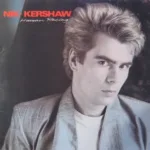 Nik Kershaw
An essential figure in mid-80s British synth-pop, Nik Kershaw was known for his technical prowess and catchy melodies. With hits such as “Wouldn’t It Be Good” and “The Riddle,” his insightful songwriting and futuristic flair aligned seamlessly with the New Wave ethos, blending introspection with electronic sophistication.
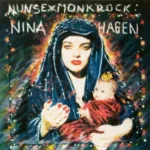 Nina Hagen
Nina Hagen brought a theatrical flair, punk intensity, and operatic vocals to the New Wave scene. A prominent figure in both German and international music, she pushed genre boundaries with her flamboyant style and politically charged performances, injecting avant-garde shock value and feminist themes into the experimental heart of New Wave.
 Oingo Boingo
Oingo Boingo, known for their lively sound and theatrical performances, blended rock, ska, and new wave. Fronted by Danny Elfman, they produced iconic tracks such as “Weird Science” and “Dead Man’s Party.” Their unique mix of genres and witty lyrics distinguished them as a standout act of their time. Oingo Boingo’s influential legacy continues to inspire many artists today.
 Orchestral Manoeuvres in the Dark (OMD)
OMD gained recognition in the ’80s for their melodic synth-pop sound, with memorable hits like “Enola Gay” and “If You Leave.” Their music is characterized by lush arrangements and thought-provoking lyrics, creatively merging electronic and pop influences. With their innovative approach to technology and songwriting, OMD has made a lasting mark on the New Wave genre, continuing to tour and create new music while celebrating their legacy.
 Pere Ubu
Emerging from Cleveland’s art-punk scene, Pere Ubu combined garage rock, noise, and surrealism into a distinct brand of proto-New Wave. Their dissonant, industrial-influenced sound broke boundaries and influenced many post-punk and experimental acts that aimed to challenge conventional pop structures.
 Pet Shop Boys
With their cool, understated delivery and rich electronic arrangements, Pet Shop Boys have become one of the most enduring acts in synth-pop. Tracks like “West End Girls” and “It’s a Sin” blend dancefloor appeal with introspective lyrics, showcasing their mastery of cerebral yet accessible New Wave.
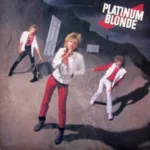 Platinum Blonde
Often referred to as “Canada’s answer to Duran Duran,” Platinum Blonde paired a fashion-forward style with catchy, guitar-synth pop. Their glam aesthetic and emotional lyrics resonated with 80s audiences, earning them a prominent place in the Canadian New Wave scene with hits like “Standing in the Dark” and “It Doesn’t Really Matter.”
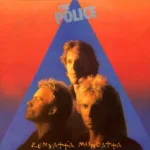 The Police
Although more closely associated with post-punk and reggae-rock, The Police played a vital role in the New Wave movement through their lean production, sharp guitars, and rhythmic experimentation. With Sting’s literate lyrics and Stewart Copeland’s precise drumming, they advanced punk music into melodic territory while maintaining its edge.
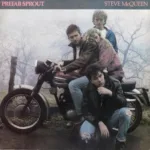 Prefab Sprout
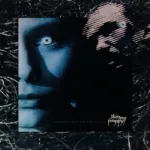
Prefab Sprout elevated New Wave with their rich orchestration and thoughtful pop songwriting. Led by Paddy McAloon, the band created layered, poetic tracks like “When Love Breaks Down,” merging art-pop sophistication with New Wave elements to craft music that was both emotionally deep and sonically intricate.
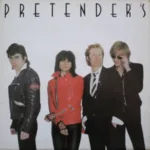 The Pretenders
Fronted by Chrissie Hynde, The Pretenders rose to fame in the early ’80s with their distinctive blend of rock and new wave. Hits like “Brass in Pocket” and “Back on the Chain Gang” highlight their catchy melodies and sharp lyrics. Their sound combines punk energy with pop sensibility, earning them a loyal fanbase. The Pretenders remain active, consistently releasing new music and touring.
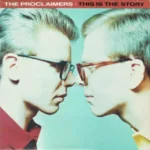 The Proclaimers
This Scottish duo is celebrated for their catchy, folk-influenced pop and unique twin vocal harmonies. Their anthem “I’m Gonna Be (500 Miles)” showcases infectious melodies and heartfelt lyrics. The Proclaimers’ blend of folk, rock, and new wave elements has solidified their memorable place in music history, as they continue to tour and release new work, honoring their Scottish heritage.
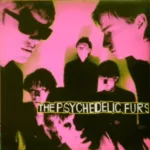 Psychedelic Furs
Formed in London, the Psychedelic Furs are known for blending post-punk and new wave, with rich soundscapes and evocative lyrics. Their hits, including “Pretty in Pink” and “Love My Way,” reflect their atmospheric style and poetic sensibility, exploring themes of love, alienation, and identity. The band continues to captivate audiences with their timeless sound while touring.
 R.E.M.
R.E.M. emerged from Athens, Georgia, in the early ’80s, merging alternative rock with new wave influences. Their introspective lyrics and jangly guitar sound are highlighted in hits like “Losing My Religion” and “The One I Love,” shaping the college rock movement. Known for their innovative songwriting and performance style, R.E.M. has maintained significant influence in rock music, even after their breakup.
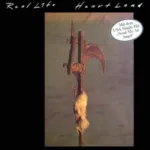 Real Life
Hailing from Australia, Real Life achieved global success with their New Wave hit “Send Me an Angel,” combining icy synth textures with a sense of romantic longing. Their dramatic choruses and atmospheric production captured the era’s fascination with both emotion and technology.
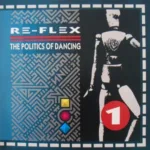 Re-Flex
Re-Flex made a notable impact on the New Wave scene with their politically charged dance hit “The Politics of Dancing.” Though their time was brief, the song became a quintessential ’80s anthem, exemplifying how New Wave could marry social awareness with captivating pop rhythms. Their use of synths and strong beats aligned perfectly with the genre’s dance-oriented direction.
 Roxy Music
Although they were active before the New Wave explosion, Roxy Music’s influence on the genre is significant. With Bryan Ferry’s suave vocals and innovative approach to fashion and sound, they paved the way for many of the artists that followed.
 Scritti Politti
Led by Green Gartside, Scritti Politi transitioned from the minimalism of post-punk to a polished and intellectual synth-pop style. Their 1985 album, *Cupid & Psyche 85*, seamlessly blended philosophical lyrics with glossy production and funky rhythms, highlighting the New Wave movement’s ability to combine danceable music with conceptual depth.
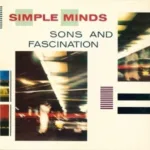 Simple Minds
Hailing from Glasgow, Simple Minds rose to fame with their anthemic sound and poignant lyrics. Their iconic hit, “Don’t You (Forget About Me),” featured in *The Breakfast Club*, solidified their status in pop culture. Combining rock and electronic influences, they enjoyed tremendous success in the ’80s and continue to tour and release new music, showcasing their ongoing relevance.
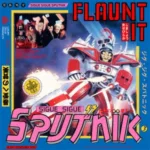 Sigue Sigue Sputnik
Embracing a futuristic glam and cyberpunk aesthetic, Sigue Sigue Sputnik developed a hyper-stylized sound that merged electronic rock with dystopian visuals. Their debut single, “Love Missile F1-11,” was loud and chaotic, filled with sampled media that reflected New Wave’s fascination with consumerism, technology, and visual spectacle in a media-driven era.
 The Smiths
Emerging from Manchester in the early ’80s, The Smiths are celebrated for their melancholic sound and introspective lyrics. Fronted by Morrissey and characterized by Johnny Marr’s jangly guitar, their music blends rock and new wave influences. With timeless tracks like “There Is a Light That Never Goes Out” and “This Charming Man,” their impact on indie and alternative music endures long after their breakup.
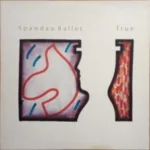 Spandau Ballet
As key figures in the New Romantic subgenre of New Wave, Spandau Ballet introduced a sleek, soulful interpretation of synth-pop. Their ballads, such as “True” and “Gold,” offered a mature emotional depth that moved away from their post-punk roots into a polished pop sound. With their stylish image, they played a significant role in defining the sophisticated side of British pop in the ’80s.
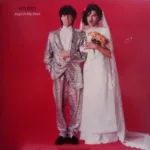 Sparks
Sparks is known for their avant-garde approach and eccentric sound, gaining recognition with hits like “This Town Ain’t Big Enough for Both of Us.” Their unique blend of pop, rock, and new wave elements distinguishes them within the genre. With innovative songwriting and theatrical performances, Sparks has cultivated a devoted fan base and remains active in the contemporary music scene.
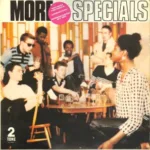 The Specials
As pioneers of the 2 Tone ska revival, The Specials blended the urgency of punk with Jamaican ska rhythms, infusing their music with political commentary and themes of working-class identity. Songs like “Ghost Town” encapsulated the social unrest of Thatcher-era Britain, establishing them as a significant cultural and musical force within the New Wave movement.
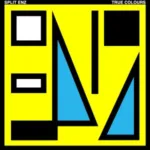 Split Enz
Hailing from New Zealand, Split Enz introduced a theatrical flair and quirky art-pop to New Wave, garnering attention for their eccentric fashion and catchy hits like “I Got You.” Their willingness to experiment with synths and unconventional song structures contributed to the genre’s whimsical and avant-garde dimensions, paving the way for members like Neil Finn to further impact alternative music.
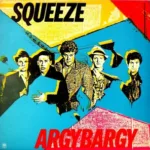 Squeeze
Recognized for their witty lyrics and infectious melodies, Squeeze gained popularity in the late ’70s and ’80s with hits such as “Tempted” and “Pulling Muscles (From the Shell).” Their music merges rock, pop, and new wave influences, characterized by tight arrangements and memorable hooks. The band’s relatable songwriting reflected everyday experiences, allowing them to connect deeply with audiences. Squeeze remains active, continuing to tour and release new music as they celebrate their enduring legacy.
 The Stranglers
Originally rooted in the punk scene, The Stranglers evolved to embrace a darker, more melodic sound that integrated synths and complex arrangements, aligning them with the New Wave movement. Songs like “Golden Brown” and “Always the Sun” highlighted their versatility and willingness to push the boundaries established by punk.
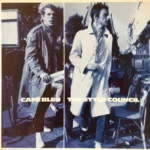 The Style Council
Formed by Paul Weller after The Jam, The Style Council blended elements of soul, jazz, and new wave. Their music is marked by a refined sound, with memorable hits like “Shout to the Top” and “You’re the Best Thing.” Their stylish image and socially aware lyrics resonated with fans during the ’80s, earning them lasting recognition.
 Talk Talk
Talk Talk started out as a classic synth-pop band but later transformed into a more experimental and innovative group. Their early hit “It’s My Life” firmly placed them within the New Wave scene, but their subsequent albums, such as *Colour of Spring* and *Spirit of Eden*, ventured into art rock and post-rock. This evolution highlighted New Wave’s potential for artistic complexity and experimentation.
 Talking Heads
With their distinctive art rock flair, Talking Heads merged punk, funk, and world music to create a groundbreaking sound. Tracks like “Once in a Lifetime” and “Psycho Killer” exemplify their unique mix of infectious melodies and insightful lyrics. Their vibrant live performances and avant-garde aesthetic positioned them as one of the key acts of the New Wave movement, and their influence is still felt in contemporary music.
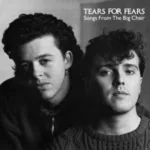 Tears for Fears
This British band is celebrated for their emotionally powerful music and profound lyrical themes, blending rock and pop elements. Anthems like “Shout” and “Everybody Wants to Rule the World” defined the ’80s sound with their strong rhythms. Tears for Fears stands out in the New Wave genre thanks to their innovative incorporation of synthesizers and orchestral arrangements, and they continue to tour and produce music, honoring their enduring legacy.
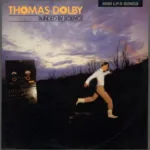 Thomas Dolby
Thomas Dolby infused the New Wave scene with intellect, quirkiness, and technical expertise. Best known for the hit “She Blinded Me with Science,” Dolby exemplified the genre’s mix of technology and humor. As a pioneer in music production and synthesizer programming, he left a significant mark on electronic music, solidifying his place as one of the most inventive figures of the era.
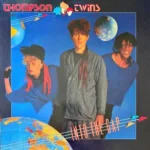 The Thompson Twins
Renowned for their catchy pop tunes and distinctive sound, The Thompson Twins blended New Wave and electronic influences expertly. Their popular songs, such as “Hold Me Now” and “Doctor! Doctor!”, highlighted their lively style and engaging melodies. Their innovative use of synthesizers and striking visual presentation helped shape the 1980s music landscape, and they remain a cherished act within the New Wave genre.
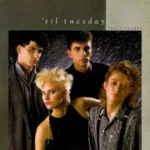 ‘Til Tuesday
Led by Aimee Mann, ‘Til Tuesday delivered sleek, emotionally resonant New Wave pop with tracks like “Voices Carry.” Their sound featured atmospheric synths paired with personal, introspective lyrics and strong melodies, perfectly embodying the genre’s combination of vulnerability and commercial appeal.
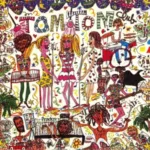 Tom Tom Club
Created by Talking Heads members Tina Weymouth and Chris Frantz, Tom Tom Club combined funk, reggae, and hip-hop into a fun New Wave style. Their 1981 hit “Genius of Love” became a staple on early MTV and has been widely sampled, illustrating the genre’s embrace of diverse influences.
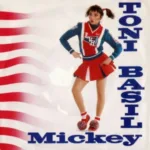 Toni Basil
Toni Basil rose to MTV stardom with her infectious cheerleader anthem “Mickey,” merging chant-like vocals with New Wave rhythms and a memorable music video. Often viewed as a one-hit wonder, her blend of visual art, dance, and music captured the multimedia essence of 1980s pop culture.
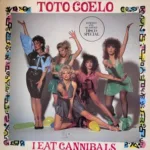 Toto Coelo
Known as Total Coelo in the U.S., this novelty New Wave group gained fame with their campy 1982 hit “I Eat Cannibals.” With playful lyrics and extravagant fashion, they embraced the theatrical side of the genre, representing its more whimsical and lighthearted moments.
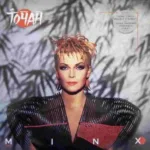 Toyah Wilcox
A true icon of counterculture, Toyah Wilcox combined punk rebelliousness with New Wave flair, symbolizing creative autonomy. She captivated audiences with her bold look and expressive vocals in songs like “It’s a Mystery,” offering a theatrical and empowering perspective on female artistry in a predominantly male industry.
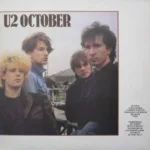 U2
U2
Originating from Dublin, U2 is celebrated for their anthemic sound and lyrics that often address social issues. Their early work in the 1980s, featuring popular tracks such as “With or Without You” and “I Still Haven’t Found What I’m Looking For,” played a significant role in shaping the new wave movement. Known for their sonic experimentation and dedication to social causes, U2 has secured a prominent place in music history. The band continues to tour and innovate, adapting their sound while maintaining relevance.
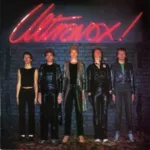 Ultravox
Famous for seamlessly blending electronic and rock elements, Ultravox made a mark in the early ’80s with tracks like “Vienna.” Their music is characterized by atmospheric soundscapes and introspective lyrics, highlighting their inventive songwriting approach. They were vital in the development of synth-pop and the new wave movements, inspiring many artists along the way. Ultravox remains active, celebrating their influential role in electronic music.
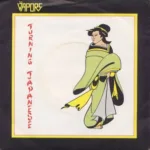 The Vapors
Emerging from the UK punk scene of the late ’70s, The Vapors are best known for their anthem “Turning Japanese.” Transitioning into a New Wave sound, their catchy melodies and clever lyrics capture the spirit of the era. Their music fuses pop-rock with vibrant rhythms, securing them a loyal fan base. Although they disbanded in the early ’80s, their influence within the New Wave genre endures.
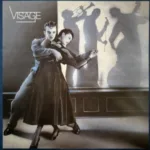 Visage
Led by Steve Strange, Visage embodied the New Romantic movement within New Wave, combining glam fashion, synthesizers, and an air of mystery. Their iconic track “Fade to Grey” served as an anthem for the genre, merging Euro-disco with a sense of futuristic melancholy.
 The Waitresses
The Waitresses brought a unique blend of humor, feminism, and everyday stories to New Wave, with memorable songs like “I Know What Boys Like” and “Christmas Wrapping.” Their clever lyrics and jazzy musical style offered a quirky alternative to the more synth-heavy sounds of the time.
 Wang Chung
This British group is renowned for their infectious hooks and danceable tunes, merging new wave with pop influences. Hits like “Everybody Have Fun Tonight” and “Let’s Go” became foundational pieces of the 1980s music landscape. Wang Chung’s lively performances and unforgettable melodies won them a dedicated fan base, and they continue to tour, commemorating their contributions to the New Wave scene.
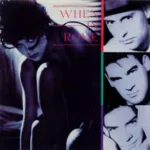 When In Rome
When in Rome produced a New Wave classic with “The Promise,” a heartfelt synth-pop love ballad that gained a cult following. Despite their brief existence, their sincere style and lush sound have granted them a lasting legacy in the nostalgia of the 1980s.
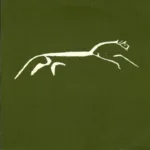 XTC
XTC
Emerging from Swindon, England, in the late ’70s, XTC is recognized for their witty lyrics and diverse sound. Their music incorporates elements of new wave, punk, and pop, with hits like “Senses Working Overtime” illustrating their distinctive flair. XTC’s innovative writing and experimental nature have earned them acclaim and a loyal following, continuing to impact the music world even after their disbandment in the early ’90s.
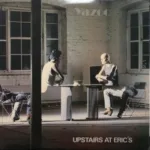 Yaz (Yazoo UK)
Yaz, known as Yazoo in the UK, is the duo of Alison Moyet and Vince Clarke, renowned for their emotive synth-pop tracks like “Only You” and “Don’t Go.” Though Clarke’s electronic finesse and Moyet’s soulful voice created a powerhouse sound in early 80s synth-driven New Wave, their influence has extended to future pop and electronic artists.
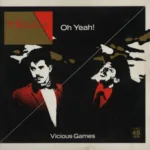 Yello
Yello
The Swiss electronic duo Yello, composed of Boris Blank and Dieter Meier, were pioneers of experimental synth-pop and New Wave during the 1980s. Their groundbreaking use of sampling, quirky sound effects, and Meier’s deep vocals resulted in a distinctive mix of avant-garde electronica and pop appeal. Known for their hit “Oh Yeah,” which gained fame through films and commercials, Yello redefined studio production and exemplified the adventurous spirit and technological embrace that characterized New Wave.